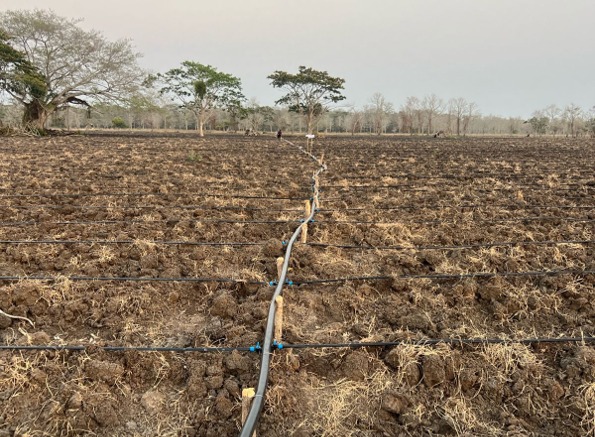
RESUMEN The Ecoceanos Foundation has been working with the Zenú indigenous people in Colombia since 2021, on energy transition initiatives with a focus on rights, gender and food security. Between 2024 and 2025, with funding from the Honnold Foundation, 20 solar panels were installed to power a hydraulic pump capable of extracting water from an aquifer located 45 meters away and provide irrigation to community food production plots for about 300 Zenú indigenous families.
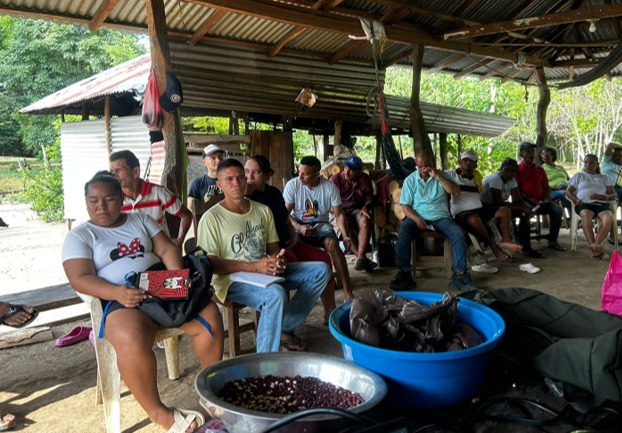
The results have been overwhelming: production went from 3 to 15 tons per month (five times more), and a sustainability strategy was designed in which part of what is produced is managed by the indigenous secretariat and sold to the community at a fifth of the market price, generating funds to maintain the photovoltaic system and the aqueduct for at least 30 years.
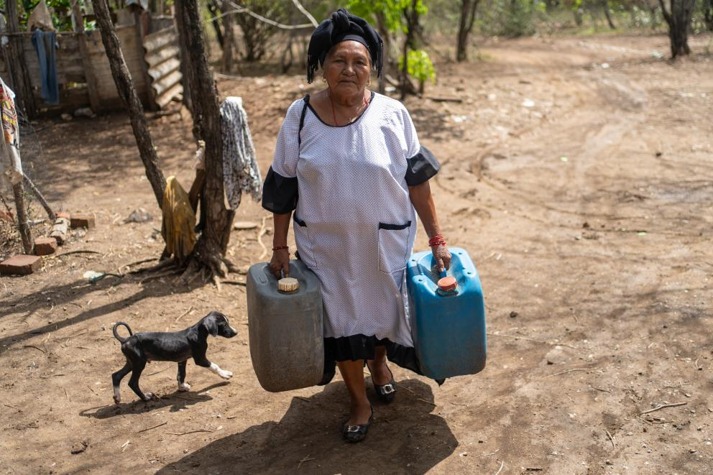
However, the water extracted from the deep well is also used for human consumption and the current infrastructure does not have a drinking water treatment system. This exposes children, young people and women to water-borne diseases, such as diarrhoea and leptospirosis in children, and toxoplasmosis in pregnant women, with effects on the health of the mother and
the newborn.
This preliminary study supports the need to incorporate a reverse osmosis water treatment plant with the capacity to produce at least 10,000 liters of drinking water per day, describes its preliminary technical scope, its articulation with the existing infrastructure, the sustainability scheme, the work plan, the risks and the monitoring indicators.