
Biodiversity Conservation through Community-Based Tourism in Colombia | ECO-TOURBIO 2023–2024
In 2023, we launched the ECO-TOURBIO call, Biodiversity Conservation through Community-Based Tourism in Colombia, to select one Colombian organization capable of connecting visitor spending with habitat protection. We selected its proposal through competition. We awarded USD 100,000 to Bosque Colombiano Foundation for the ETHNOPROGRAM TO PROMOTE SUSTAINABLE TOURISM IN THE COLOMBIAN AMAZON. The Foundation committed USD 10,000 in counterpart resources. Implemented from 2 September 2023 to 1 September 2024, the initiative focused on 600 Tikuna Indigenous families across 10,537 hectares of the Colombian Amazon basin. Our selection reflected a practical premise: communities protecting biodiversity should be able to earn income from responsible tourism.
The territorial challenge was specific. Families had limited access to organized birdwatching markets despite living alongside exceptional forest biodiversity. The project’s assessment also identified young people’s exposure to illegal wildlife trafficking networks, which can exploit detailed knowledge of forest trails and wildlife locations. Bosque Colombiano Foundation responded by developing guided birdwatching experiences where the quality of wildlife habitat determines the value of the visitor experience. Tikuna authorities participated in validating access and deciding which sensitive sites would remain protected.
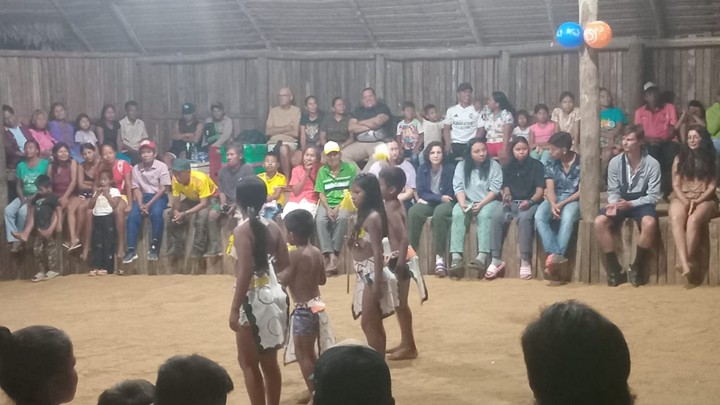
PHOTO 1 — Tikuna community members conducting participatory birdwatching and territorial assessment activities in the Amazon rainforest.
Developing Conservation-Compatible Tourism Experiences
The project combined low-impact observation facilities with augmented-reality interpretation of Amazonian birds. Binoculars and spotting scopes enabled observation from established points, reducing pressure to approach wildlife. Tablets supplied interpretation content without publishing sensitive species locations. By the April 2024 technical review, five community birdwatching centres were operational, six tourism products were ready for pilot delivery and 18 bird modules had been produced. These figures describe the documented implementation milestone.
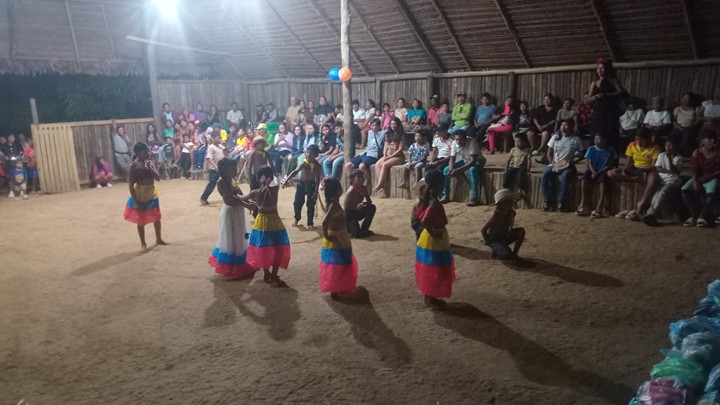
PHOTO 2 — Community birdwatching centre equipped with observation instruments and augmented-reality technology.
Strengthening Indigenous Leadership and Participation
Local capability was central to the design. The Foundation structured training for 100 Tikuna young people, with women occupying at least half of the places. At the April checkpoint, 65 participants were progressing through the programme, including 36 women; 42 had passed practical assessments. The emerging Indigenous Tourism Secretariat had seven representatives ratified, four of them women. We valued this governance approach because decisions on routes, equipment and tourism revenue need legitimate community authority if services are to continue after grant funding ends.
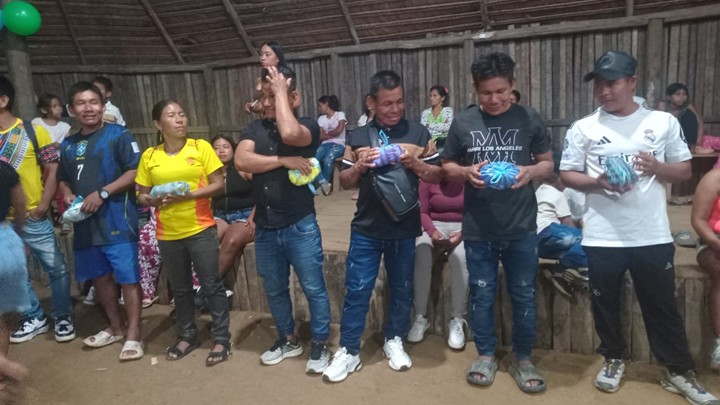
PHOTO 3 — Tikuna women and young tourism guides participating in practical training or community governance activities.
Connecting Indigenous Enterprises with Tourism Markets
Market access was developed alongside field capacity. A trilingual Spanish-English-German platform enabled tourism information, reservations and payment workflows. Three initial campaigns reached 2,640 potential visitors and recorded 285 bookings or confirmations by April 2024. The Foundation had also completed diagnostics for 20 Tikuna microbusinesses, with 12 prepared for digital presentation. Promotion was paced against available guides and observation centres to protect service reliability.
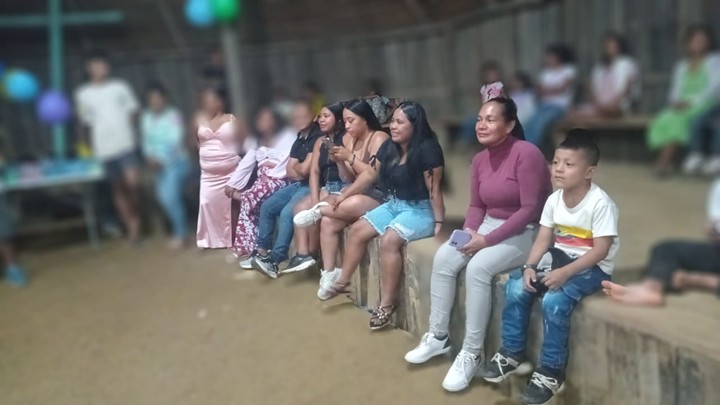
PHOTO 4 — Tikuna microentrepreneurs presenting tourism products or demonstrating the community digital platform.
Our Commitment to Sustainable Tourism
ECO-TOURBIO was designed to make local tourism economically useful and ecologically accountable. We required visitor rules supported by community monitoring because unmanaged growth could undermine the forest assets supporting tourism. Indigenous governance provided the basis for local oversight.
The completed implementation period provides a basis for examining how those mechanisms performed, including outcomes that require endline financial and field records. We are publishing Bosque Colombiano Foundation’s final technical report so partners can review the documented work and evidence.
Our commitment remains to support tourism models that strengthen communities while maintaining the biodiversity on which their future opportunities depend.