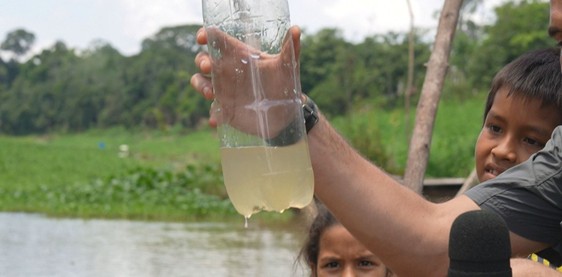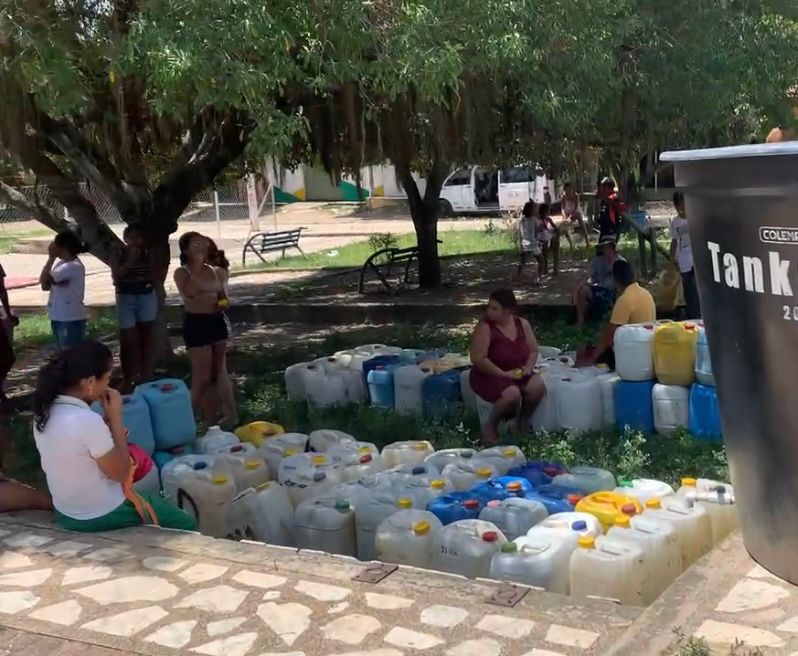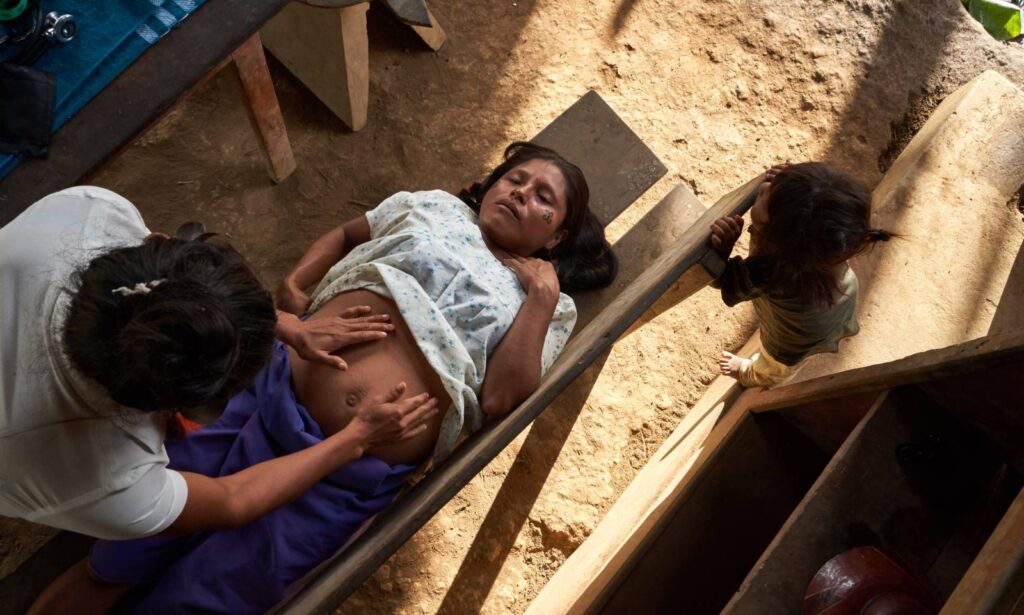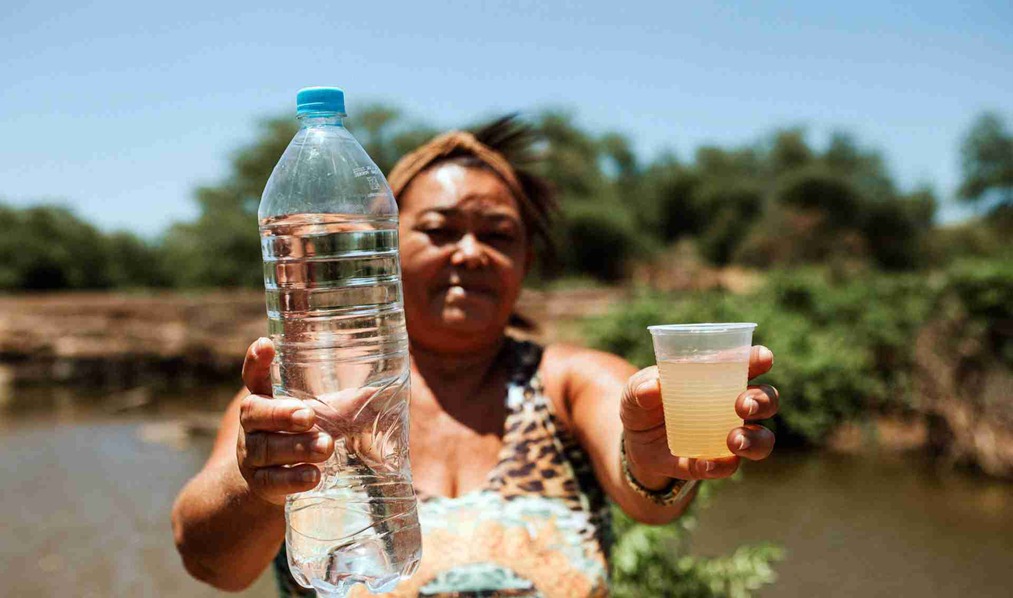
This preliminary study aimed to diagnose the conditions of access to, quality of, and use of drinking water in Indigenous communities located along the banks of the San Jorge River, as well as to evaluate the technical, environmental, and climatic feasibility of implementing a water purification system powered by photovoltaic solar energy. The research was conducted by an interdisciplinary team from the ECOCEANOS Corporation, in collaboration with experts from the University of the Caribbean and the University of Córdoba, through fieldwork, direct observation, and technical analysis of the territory. The study identified a recurring public health problem associated with the consumption of untreated water, resulting from direct river intake and the absence of water purification systems in the communities evaluated. This situation particularly affects pregnant women, who are at greater risk of contracting waterborne diseases such as toxoplasmosis, as well as children and the elderly.
Additionally, climatic conditions, solar radiation levels, and average temperatures in the area were analyzed to determine the feasibility of operating a photovoltaic system as the primary energy source. The results confirmed that the territory has favorable conditions for solar power generation, thus providing technical support for the implementation of an autonomous water extraction and purification system. This preliminary study served as the basis for the project design, ensuring its social, health, and technical relevance.