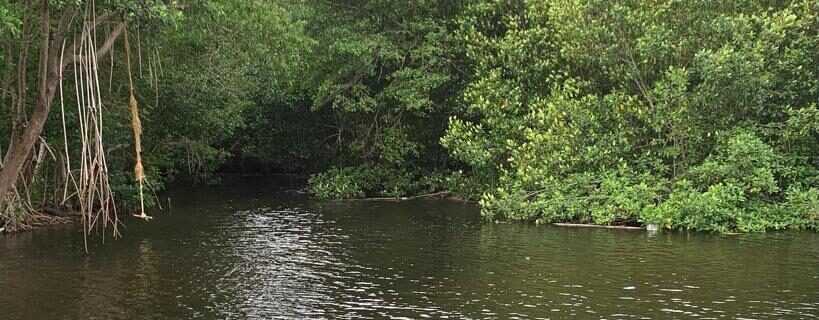
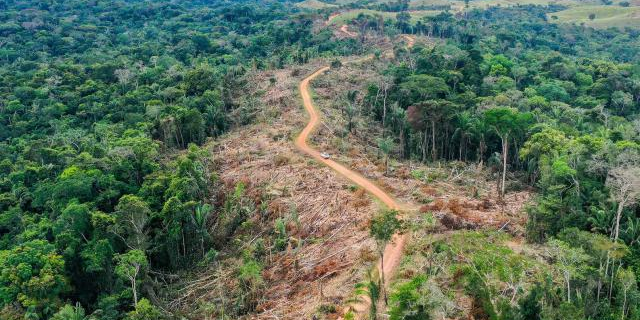
MALNUTRITION OF THE AQUATIC AND TERRESTRIAL ECOSYSTEMS OF THE COLOMBIAN CARIBBEAN: ONE OF THE MAIN PROBLEMS OF USE OF GLYPHOSATE IN THE FUMIGATIONS OF ILLICIT CROPS BY THE GOVERNMENT OF COLOMBIA.

RESUMEIn the present study carried out in 2022, it was characterized by evidencing the environmental impact on aquatic ecosystems of the use of herbicides such as glyphosate, which is largely used to eradicate illicit crops in Colombia. In the research, the Ecoceanos Corporation managed to characterize the poor state of health in 4 species of fish and 3 species of mangroves. Physiognomic aspects of the forest and its health index were evaluated. 78 interviews were conducted with people who are part of Indigenous Zenú communities in the settlements near the areas studied on the Island of Barú, Bolívar – Colombia to evaluate the knowledge and community behavior about the mangroves and fish that were part of their food and economy. It was identified in the mangroves sedimentation of residues, Arboreal degradation, high salinity and decrease of nutrients, in the species of fish investigated we evidenced signs of toxicity and mortality. In response to this study, the Ecoceanos Corporation was able to determine mitigation and restoration strategies for the affected ecosystems to carry out impact projects that improve the community conditions of the Zenú Indigenous Communities. Keywords: Keywords: Glyphosate, fumigation, Illicit crops, Ecosystems, Mangroves, Environment.
CONSERVATION PROJECT FOR 2 ENDANGERED SPECIES OF TREES IN MOMIL COLOMBIA

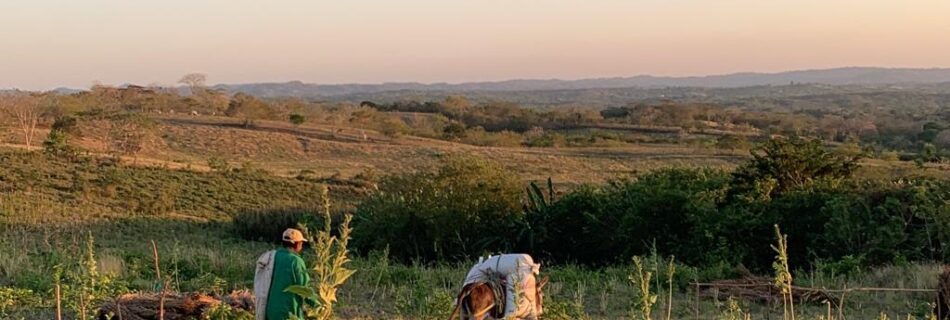
SUMMARY This project aimed to intervene a process of reforestation through the planting of 2 species of trees that are in critical danger due to climate change and human activity, so the ECOCEANOS corporation carried out this project in order to recover part of the tropical dry forest located in the municipality of Momil,  corregimiento of Córdoba, Colombia, improving the socioeconomic conditions of the Zenú indigenous community present there, which have been for years settlements of scarce resources that subsist on what is produced by nature for the maintenance of livelihoods, the production of food, handicrafts, fishing and tourism. The project “CONSERVATION PROJECT FOR 2 ENDANGERED SPECIES OF TREES IN MOMIL COLOMBIA” began in 2014 by the ECOCEANOS corporation with the help of the Zenú de Momil indigenous community which was the main influenced in order to intervene in the process of urban deforestation and recover tropical dry forests, while improving the socio-economic conditions of families. The project was completed in 2018 in the company of local staff, hired and trained by community leaders through resident associations, with the aim of increasing job opportunities in the areas affected by the initiative. KEY WORDS: Water resource, climate change, environmental damage, biodiversity, native plants, reforestation, community.

ANTIEROSIV GARDENS PLAN: CLIMATE CHANGE MITIGATION AND ADAPTATION STRATEGY FOR APPROXIMATELY 50 KM OF BEACHES ON THE COLOMBIAN ATLANTIC COAST

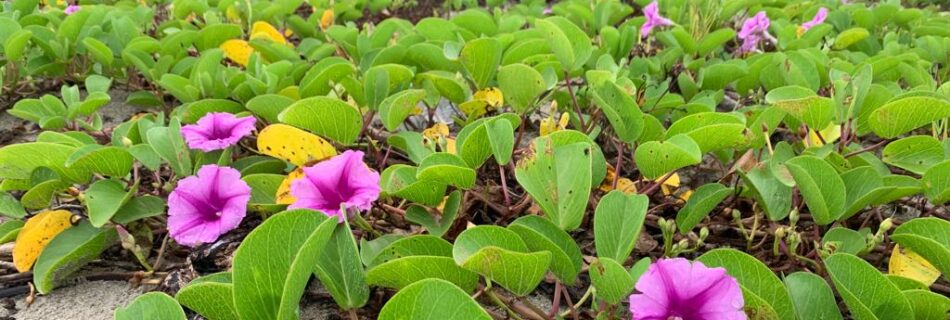
The purpose of this plan was to define mitigation and adaptation strategies against climate change of approximately 50 km of beaches and 860 hectares of land and thus promote adaptation processes that reduce vulnerabilities and promote the resilience of socio-ecological systems in the coastal area of the departments of Sucre and Córdoba (Gulf of Morrosquillo),  area close to indigenous communities such as the Zenúes. Coastal erosion is considered one of the problems with the greatest impact on both indigenous communities and marine ecosystems in Sucre, about 20 km of beaches have been lost in the Gulf of Morrosquillo thanks to erosion mainly due to human causes. The urban, industrial, residential, tourist, aquaculture, road and port infrastructure that was built in the coastal beach-dune system, generated various impacts, from the alteration of a part of its structure, to its total loss. Constructions are obstacles that interrupt or divert the flow of water and sediment, which modifies the sedimentary balance. The decrease in the availability of sediment and the interruption of natural transport between the coastal dunes and the beach favors processes of erosion and retreat of the coastline. Through this plan that had a duration of 3 years, we encouraged the protection and planting of coastal vegetation of 50 km of beach impacting about 860 hectares of the Zenú indigenous territory; that benefits 400 families by enabling their resilience to climate change. protecting the dunes that constitute natural deposits of beach sands. At the same time we created an education plan for institutions on the main causes of erosion and other effects of climate change in indigenous communities of the coast through informative, promotional and testimonial talks, we created educational projects for the transfer of good practices where a work team composed of science teachers, biologists, employees of the municipal administration and experienced fishermen. We also assess the conservation status of the species that are victims of this effect, and thus record their populations on the biodiversity conservation red lists. We have the support of the Zenú indigenous community.

COMMUNITY PLAN FOR THE RESTORATION OF MANGROVE FORESTS IN MOÑITOS, COLOMBIA.

SUMMARYIn this plan we will propose strategies for the conservation and sustainable management of 1200 hectares of mangrove forest and the repopulation and enrichment of 570 hectares on the Caribbean coast of Colombia, specifically in threatened areas of the department of Córdoba, in the municipality of Moñitos. This region is under stress due to the influence of threats of anthropic origin in the area: Deforestation for agricultural and livestock activities; and climate change. Currently, the Zenú indigenous community that coexist in these ecosystems have shown interest in implementing conservation strategies and healthy productive practices with the environment, for which, the ECOCEANOS Corporation, together with representatives of the indigenous community, formulate this as a starting point in the mangrove conservation agenda. In this plan, we propose educational activities and conservation programs. The proposed afforestation and reforestation processes would be with 3 species in danger of extinction: Avicennia germinan (mangle de humo), Rhizophfora mangle (mangle rojo) and Laguncularia racemosa (mangle bobo). The results obtained from this project contain extensive information and contribute significantly to the necessary changes in the environmental culture of populations that for several generations have exploited the mangrove and its resources without clear awareness of the need, of its replacement for its sustainability and for the very life of all the biodiversity present in said ecosystem.