ABSTRACT
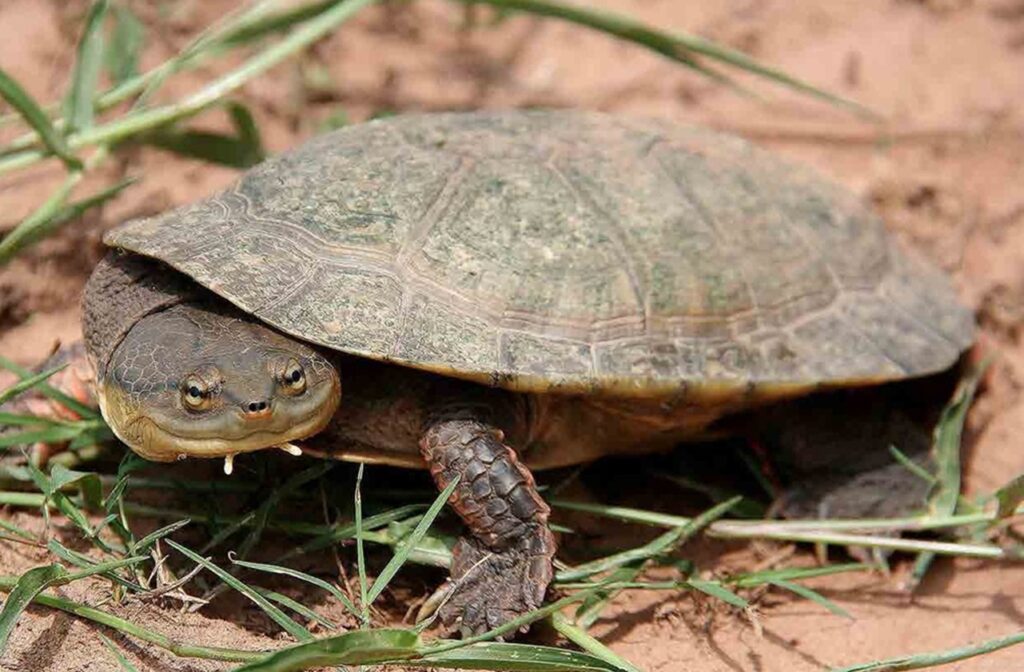
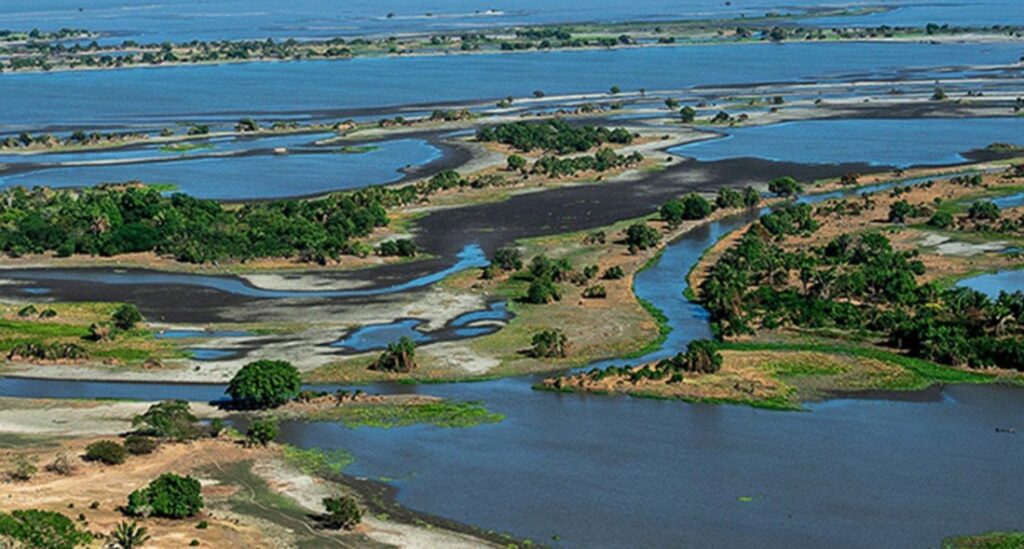
Dahl’s sea turtle (Mesoclemmys dahli) is a freshwater species endemic to the tropical dry forest (TDF) of the Colombian Caribbean. Its historical distribution is limited to drainage systems associated with floodplains, seasonal streams, and riparian forests in the departments of Córdoba, Magdalena, Atlántico, and Bolívar. It is categorized as Critically Endangered (CR) by the International Union for Conservation of Nature (IUCN) due to intense anthropogenic landscape transformation, loss of ecological connectivity, reduction of dry forest cover, hydrological alteration, and pressures from productive land use. The species exhibits an ecology closely linked to temporary and permanent aquatic microhabitats, with activity cycles conditioned by the climatic seasonality characteristic of the TDF.
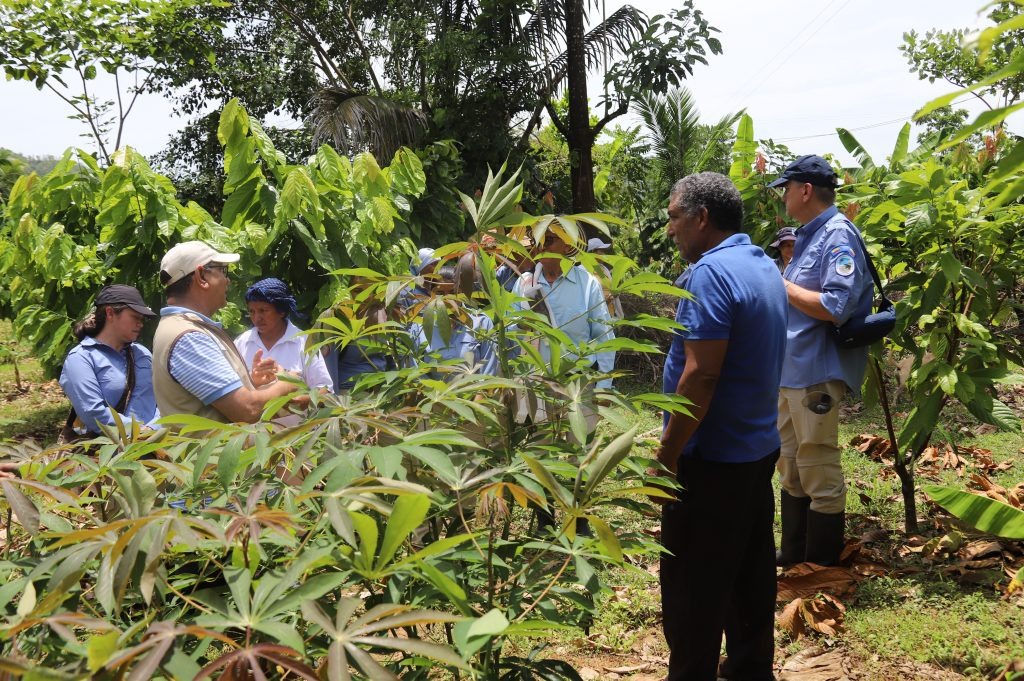
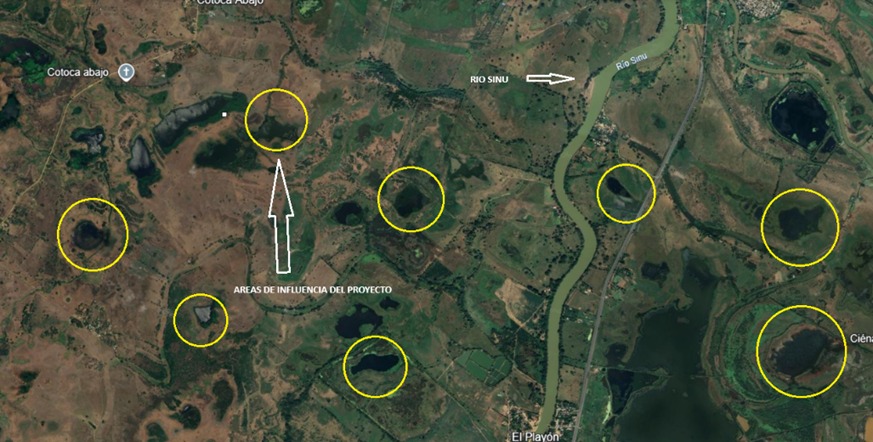
Between 2022 and 2024, local initiatives were implemented for the conservation of M. dahli populations. *M. dahli in the streams that drain into the Ciénaga Grande complex, in the municipality of Lorica (Córdoba), through participatory processes with rural communities. As a result, community conservation agreements were established, facilitating the ecological restoration of approximately 45 hectares of riparian forest, a critical habitat for the species and a strategic water source for local communities. The actions implemented included controlling stress factors in riparian zones (such as overgrazing and deforestation), establishing more than 3,700 propagules of native and threatened forest species, rehabilitating degraded productive areas, and promoting sustainable production systems compatible with conservation.
Simultaneously, the documentation of local ecological knowledge about the biology, behavior, and habitat use of M. dahli was strengthened, integrating traditional knowledge into monitoring and adaptive management processes. These interventions contributed to strengthening territorial governance for conservation, promoting community co-responsibility in the protection of the tropical dry forest and the socio-ecological resilience of aquatic systems associated with the species.