SUMMARY
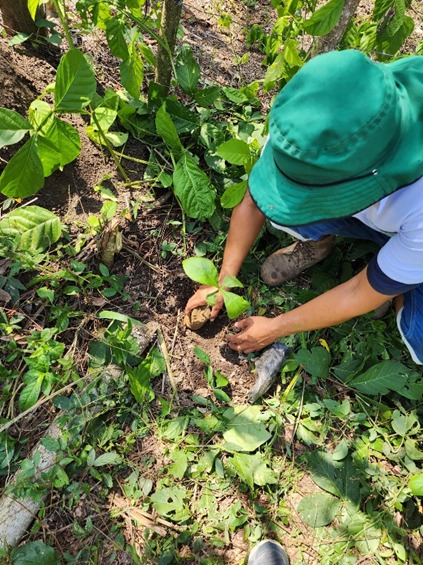
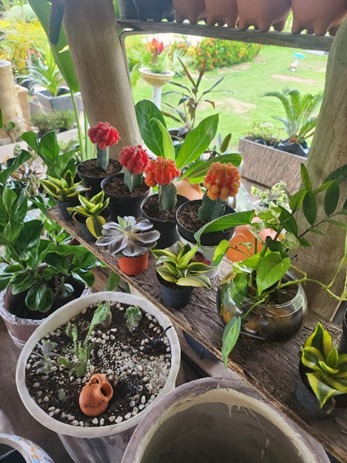
This five-year program (2025-2030) proposes native ornamental horticulture as an innovative pedagogical and bioclimatic strategy for schools in the Colombian dry Caribbean. We have demonstrated, based on international and local evidence, that the implementation of school gardens with ornamental species typical of the region can generate significant impacts.
The data indicate that these green spaces can increase students’ attention by up to 25% and reduce their stress levels by 20%. In addition, the presence of native flora in school gardens has a positive effect on local biodiversity, doubling the presence of pollinators.
The study details the theoretical foundations that underpin this initiative, a rigorous selection process of species adapted to the dry Caribbean ecosystem, the phases of implementation of the program and the evaluation mechanisms to measure its effectiveness. In essence, we offer a replicable roadmap that fuses the beauty of native vegetation with applied science and the active participation of the educational community, creating more enriching and sustainable learning environments.
Keywords: ornamental horticulture, pedagogical strategy, student care, stress reduction, local biodiversity, native flora, community participation, learning environments, sustainability.